
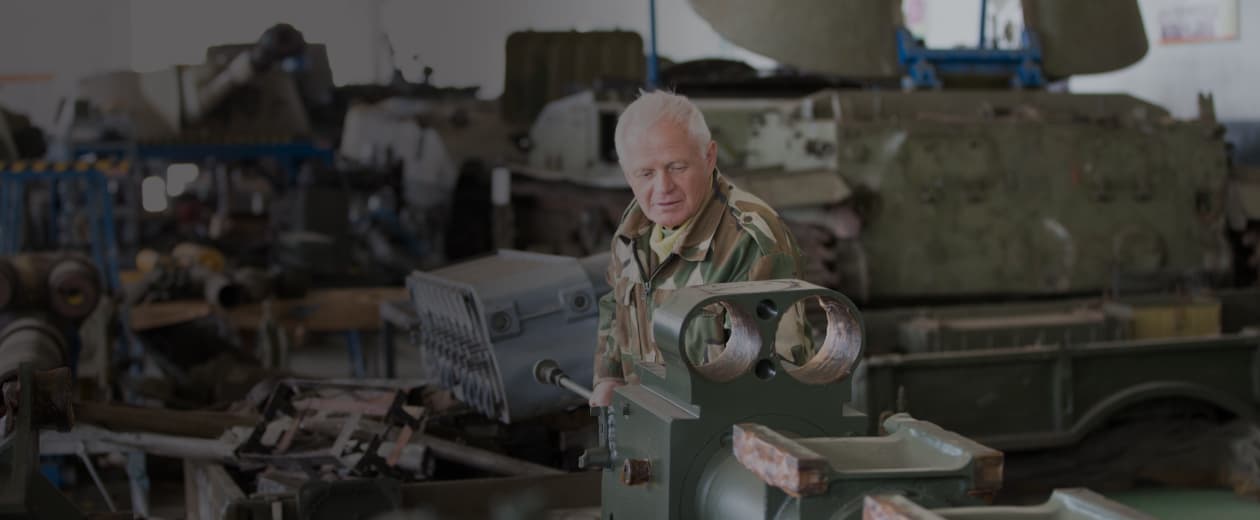
Defence Manufacturing
Defence manufacturing involves the production of military equipment and technology essential for national security, including weapons, vehicles, and aerospace systems. It is driven by technological advancements, geopolitical tensions, and the need for modernization, operating under stringent regulatory and compliance standards.

Schedule a Call Back























Industries
Recycling & Waste Management
Recycling is an essential part of waste management. It helps to conserve natural resources, reduce landfill waste, conserve energy, and crea...
KNOW MORE ›Trading Business
Trade of a business reflects the value of services exchanged between domestic and foreign economic members, including the value of services ...
KNOW MORE ›Chemicals
There has been a global shift towards Asia as the world’s chemical manufacturing hub lately. The future of the chemical industry in India de...
KNOW MORE ›How to Setup Defence Manufacturing Industry in India
The defence manufacturing industry forms one of the cornerstones of national security, and thus it is a key cog in the wheel of global geopolitics, given that it is the very basis of producing military equipment, technology, and systems that would be used for the defence and security of nations. This is the industry that designs, develops, and manufactures weapons, fighting vehicles, aerospace systems, and other importantly critical infrastructure in support of military operations and defense capabilities. Defence manufacturing is of significant strategic importance; consequently, it functions under a highly complex matrix of technological innovation, regulatory oversight, and international relations operating simultaneously.
Defence manufacturing involves gauges of products meant to upgrade a country's national security and military potential. This includes:
- Weapons Systems: Firearms, missiles, and ammunition.
- Military Vehicles: Tanks, armored personnel carriers, trucks
- Aerospace Systems: Fighter jets, helicopters, drones, satellites.
- Naval Systems: Submarines, destroyers, and aircraft carriers.
- Electronic Warfare Systems: Radar, communication systems, and cybersecurity solutions.
Market Dynamics of Defence Manufacturing Sector in India
Demand Drivers
- National Security Needs: The foremost demand driver for the manufacture of defense-related equipment is national security. This encompasses not just their maintenance but also their upgrading given emerging threats and geopolitical challenges.
- Technological Advances: Fast-paced technological developments drive the innovative process in the defense sector. Innovations in areas such as cyber warfare, artificial intelligence, and unmanned systems keep military technology changing.
- Geopolitical tensions: Growing geopolitical tensions and regional conflicts could further rise defense spending and build new military technologies.
- Defense Modernization Programs: Many countries from time to time initiate defense modernization programs to replace old systems by introducing state-of-the-art technologies.
Supply Chain and Production
Supply chain management in defence manufacturing is quite a complex process, with the following different stages involved:
- Raw Materials: Procurement of metals, composites, and other raw materials required in the manufacture of defense hardware.
- Component Suppliers: Specialized components include avionics and propulsion systems.
- OEMs: Original Equipment Manufacturers; the companies assembling and integrating final defence products.
- Maintenance and Support: This element includes all the ongoing maintenance, repair, and support services necessary to maintain operational readiness for defense systems.
Global and Regional Markets
Since "aerospace" and "defence manufacturing companies operate at a global level, regions of interest include:
North America The region is characterized by advanced defense technologies and substantial budgets in defense, and participant countries from the region include the U.S. and Canada. The U.S. Department of Defense is one of the highest-ranking defense spending customer accounts globally."
- Europe: recognition of the place to have one of the robust defense sectors in world, for a place considered to have tremendous contributions coming from the countries like France, Germany, U.K. Not to be forgotten also, the war-weary European Union in developing collaborative efforts within the defense sector.
- Asia-Pacific: has been a growing market. The place history's defense investments are coming from the power economies; China, India, and Japan. Demand growth has been fueled by regional tensions and military modernization programs….
- Middle East: Increased defense expenditure is the burden of regional conflicts and security concerns. Leading countries in this respect are Saudi Arabia and the UAE.
- Latin America and Africa: Emergent markets are leading to increased defense needs due to regional security challenges and an increasing need for modernization.
Industry Trends and Innovations of Defence Manufacturing Industry
Technological Advancements
- Unmanned Systems: The surveillance, reconnaissance, and combat missions undertaken with the help of drones and unmanned vehicles increase at supersonic speed. These systems provide increased operational flexibility and decreased risk to personnel.
- Cyber Warfare: Enhancements in cybersecurity and cyber warfare technologies are becoming critical as nations seek to protect their digital infrastructure and conduct cyber operations.
- AI: the use of integrated AI technologies with defense systems for better data analysis, autonomous decision-making, and, accordingly, improved operational efficiency.
- Space-Based Systems: The investments in satellite technology for communication, navigation, and early warning systems are increasing continuously, which shows that space is more and more strategic for modern warfare.
Modernization and Upgradation
- Fleet modernization: Many countries are leading their present armed forces towards fleet modernization, overhauling aircraft, naval, and ground fleet equipment.
- Research and Development (R&D): Continuous efforts are underway towards R&D on the development of advanced weapons and defense systems, including the generation of advanced missile systems, stealth technology, and directed energy weapons.
Collaboration and Alliances
- International Partnerships: Quite several defense manufacturers are based on international collaborations or joint ventures to share technological expertise and costs. NATO and other defense alliances encourage cooperative defense projects.
- Export Markets: Many defense manufacturers would like to augment their market presence by exporting products to allied countries or taking part in international defense tenders.
Future of Defence Manufacturing Industry in India
The future of defence manufacturing will, most likely be affected by some key factors like:
- Emerging Technologies: Steady, long-term progress in unmanned systems, artificial intelligence, and cyber will provide the momentum that drives the development of new solutions for defense.
- Higher Spending: Geopolitical tensions and modernization programs are likely to increase defense spending and procurement.
- Sustainability: This implies an increased focus on green technologies and sustainable practices in defense manufacturing.
The defence manufacturing industry is a critical sector that underpins national security and global stability. As technology advances and geopolitical dynamics evolve, the industry must adapt to meet new challenges and seize opportunities for growth. With a focus on innovation, collaboration, and compliance, the defence manufacturing sector will continue to play a vital role in shaping the future of global defense and security.
Why Corpseed?
By offering these services, Corpseed helps defense manufacturers navigate the complex regulatory environment, optimize their operations, and capitalize on growth opportunities in the defense sector.
Enquiry Now
Defence Manufacturing
Enquiry Now
Defence Manufacturing
Industries We Cater To
Manufacturing
The manufacturing industry comprises businesses engaged in producing tangible goods Advances in automation, collaboration, innovation, and other areas also contribute to improving manufacturing quality and efficiency using AI and machine learning.
KNOW MOREFrequently Asked Questions
Quick answers to common questions about this service.
What is defence manufacturing?
Defence manufacturing involves the production of military equipment, technology, and systems used to support national security and military operations. This includes weapons, vehicles, aerospace systems, naval systems, and electronic warfare equipment.
What are the main products of the defence manufacturing industry?
The main products include:
- Weapons Systems: Firearms, missiles, and ammunition.
- Military Vehicles: Tanks, armored personnel carriers, and transport trucks.
- Aerospace Systems: Fighter jets, helicopters, drones, and satellites.
- Naval Systems: Submarines, destroyers, aircraft carriers, and patrol boats.
- Electronic Warfare Systems: Radar systems, communication systems, and cybersecurity solutions.
How does the defence manufacturing industry impact national security?
Defence manufacturing enhances national security by providing advanced equipment and technology necessary for effective military operations and defense capabilities. It ensures that nations have the tools needed to protect their interests and respond to threats.
What drives demand in the defence manufacturing sector?
Key drivers include:
- National Security Needs: The necessity to maintain and enhance military capabilities.
- Technological Advancements: Innovations in military technology and equipment.
- Geopolitical Tensions: Rising regional conflicts and security concerns.
- Defense Modernization Programs: Efforts to replace outdated systems and integrate new technologies.
What are the main challenges faced by the defence manufacturing industry?
Challenges include:
- Regulatory and Compliance Issues: Adhering to strict export controls and safety standards.
- Economic and Budgetary Constraints: Managing costs and adapting to fluctuations in defense budgets.
- Technological Pressures: Keeping pace with rapid technological advancements.
- Global Competition: Navigating a competitive international market.
How does technological advancement influence defence manufacturing?
Technological advancements drive innovation in defence manufacturing, leading to the development of more sophisticated and efficient military systems. This includes improvements in unmanned systems, AI, cybersecurity, and space-based technologies.
What role does research and development (R&D) play in defence manufacturing?
R&D is crucial for advancing technology, developing new defense solutions, and maintaining a competitive edge. It enables the creation of next-generation weapons, improved systems, and advanced materials.
How does the defence manufacturing industry collaborate internationally?
The industry often engages in international partnerships and joint ventures to share technology, reduce costs, and enhance capabilities. Defense alliances and cooperative projects with allied nations are common in this sector.
What are the key markets for defence manufacturing?
Key markets include:
- North America: Dominated by the U.S. and Canada with significant defense budgets and technological advancements.
- Europe: Strong defense sector with contributions from countries like France, Germany, and the UK.
- Asia-Pacific: Growing market with major defense investments from China, India, and Japan.
- Middle East: Increasing defense spending driven by regional security needs.
- Latin America and Africa: Emerging markets with growing defense requirements.
How do export controls impact the defence manufacturing industry?
Export controls are regulations that govern the sale and transfer of defense technology and equipment to other countries. They are designed to prevent the proliferation of military technology and ensure compliance with international treaties. These controls can affect market access and international sales.
What are some emerging trends in the defence manufacturing industry?
Emerging trends include:
- Increased Use of Unmanned Systems: Drones and autonomous vehicles for various military applications.
- Integration of AI and Machine Learning: Enhancing decision-making and operational efficiency.
- Advancements in Cyber Warfare: Developing solutions for cybersecurity and cyber defense.
- Space-Based Technologies: Expanding capabilities in satellite communications and space exploration.
How does the industry address sustainability and environmental concerns?
The industry is focusing on sustainability by developing energy-efficient technologies, implementing recycling practices, and adopting environmentally friendly manufacturing processes. There is also an emphasis on reducing the environmental impact of military operations.
What are the benefits of modernization programs in defense manufacturing?
Modernization programs help to update and enhance existing military systems, improve operational efficiency, and integrate new technologies. This ensures that armed forces remain effective and capable of addressing contemporary security challenges.
How do geopolitical tensions affect the defence manufacturing industry?
Geopolitical tensions can lead to increased defense spending, changes in military strategy, and higher demand for advanced defense technologies. They also influence international defense relationships and export policies.