
Loading...

Loading...
Articles, guides and latest updates — clean UI, fast reading, and category-wise browsing.

Selecting a purifier that carries the BIS Standard Mark ensures that it complies with the national safety and performance standards under IS 17531:2021. This provides assurance of safety, en…
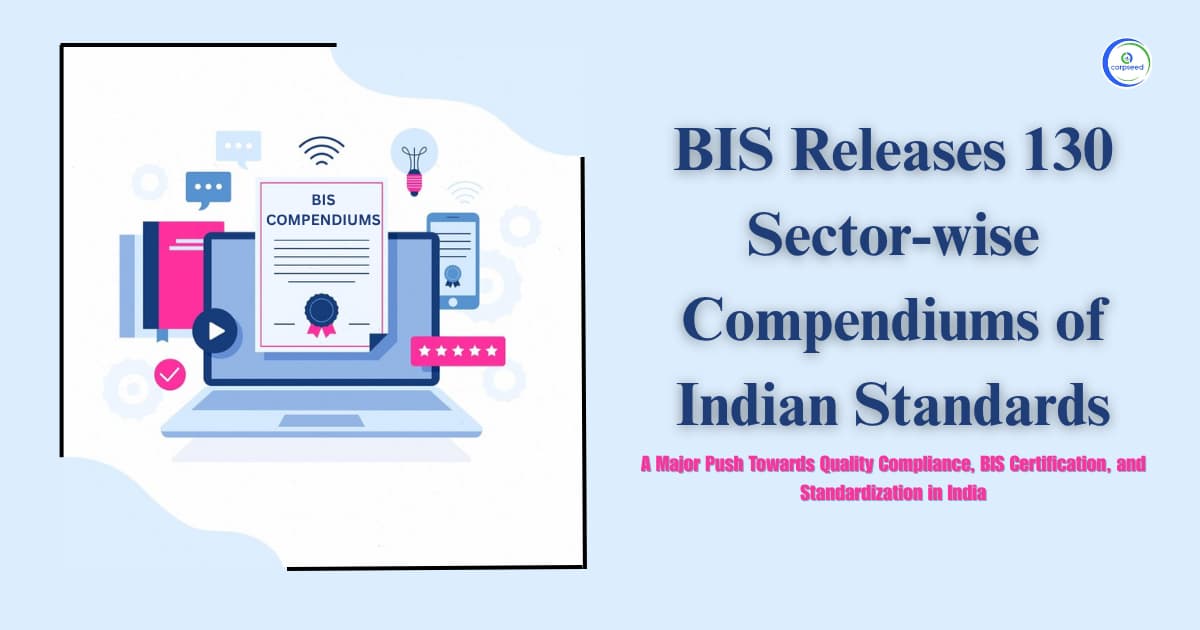
The Bureau of Indian Standards (BIS India) has introduced 130 sector-wise compendiums of Indian Standards. This initiative enhances access to standard reference documents for businesses, sta…

Udyam registration is a digital certification issued by the government that validly recognizes your enterprise as an MSME.
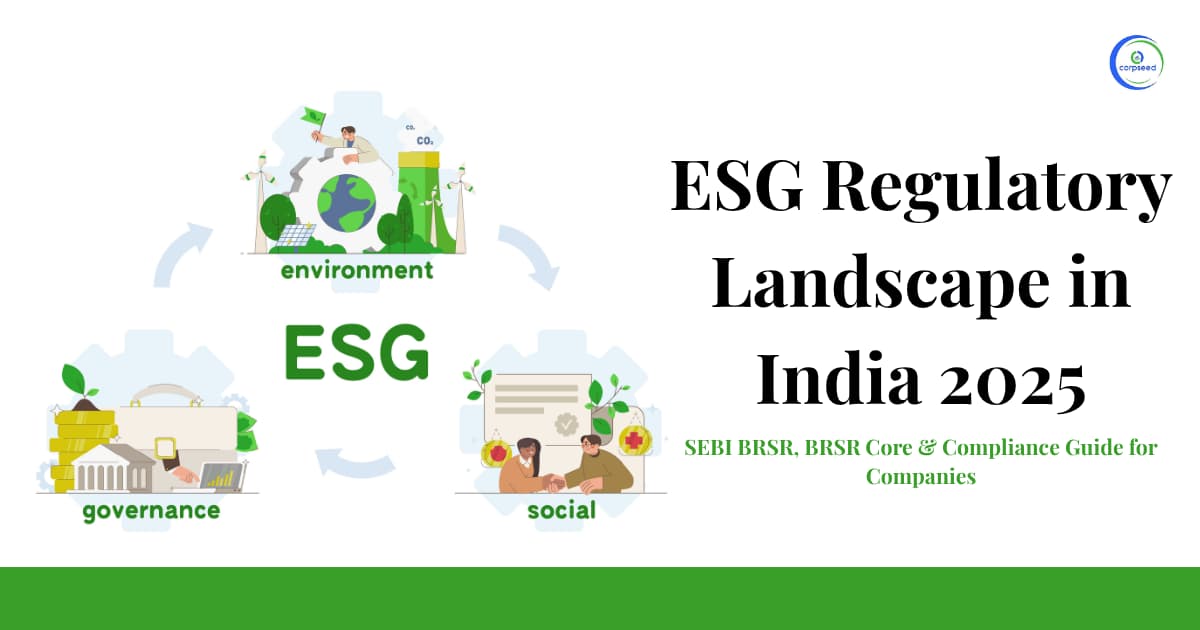
In 2025, the Securities and Exchange Board of India (SEBI) elevated ESG mandates by introducing the BRSR Core under the SEBI BRSR 2025 framework.
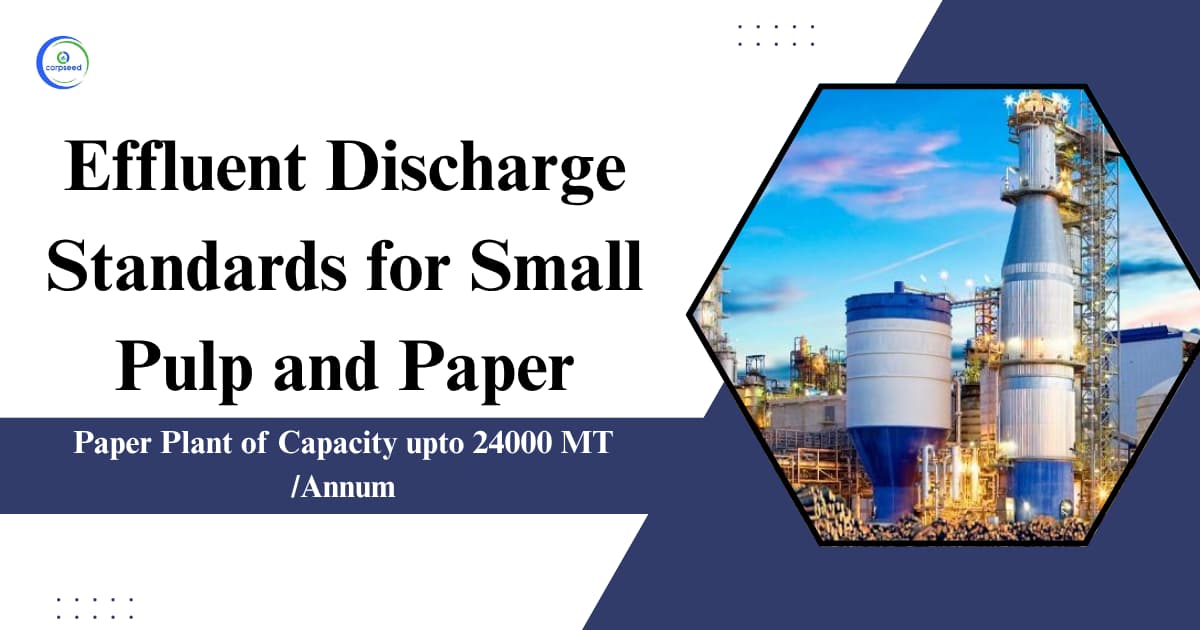
Small pulp and paper plants (≤24,000 MT/year) must follow different effluent discharge standards depending on the type of raw material used and the year of establishment.

India’s textile sector is one of the oldest and most diverse industries in the country. It plays a critical role in shaping the economy, generating employment, preserving cultural heritage, …

The India UK FTA sets a new benchmark for digital-friendly and inclusive trade partnerships. By simplifying rules of origin, allowing self-certification for exporters, enabling UK importers …
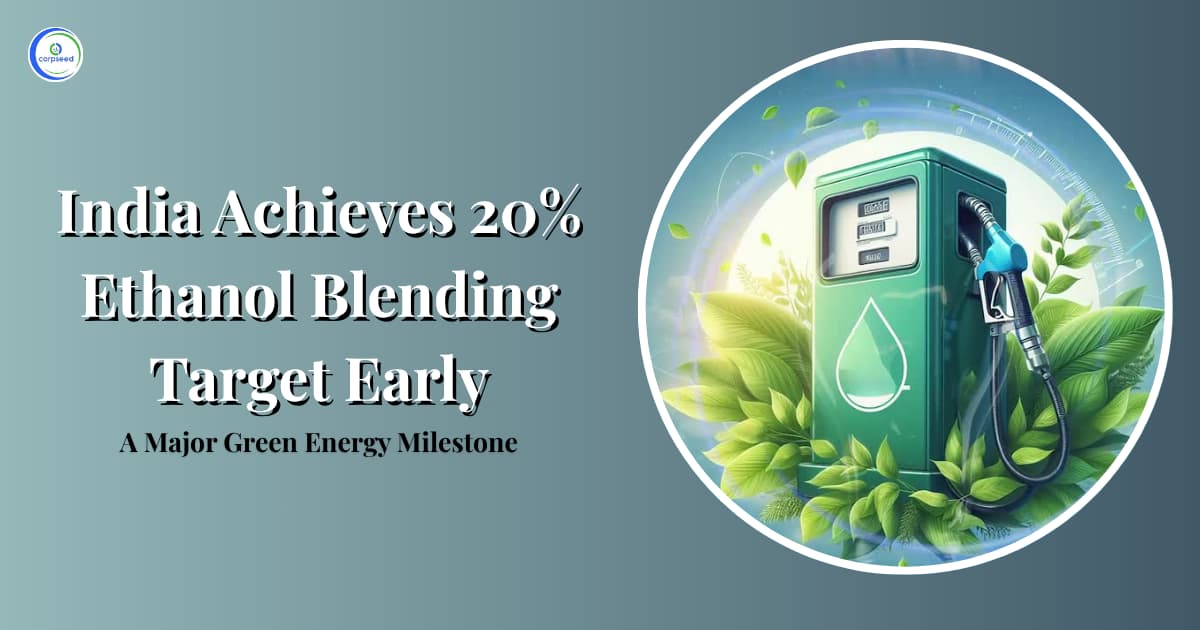
India achieves the 20% ethanol blending target early, reducing emissions, boosting the rural economy, and enhancing energy security ahead of the 2030 goal.
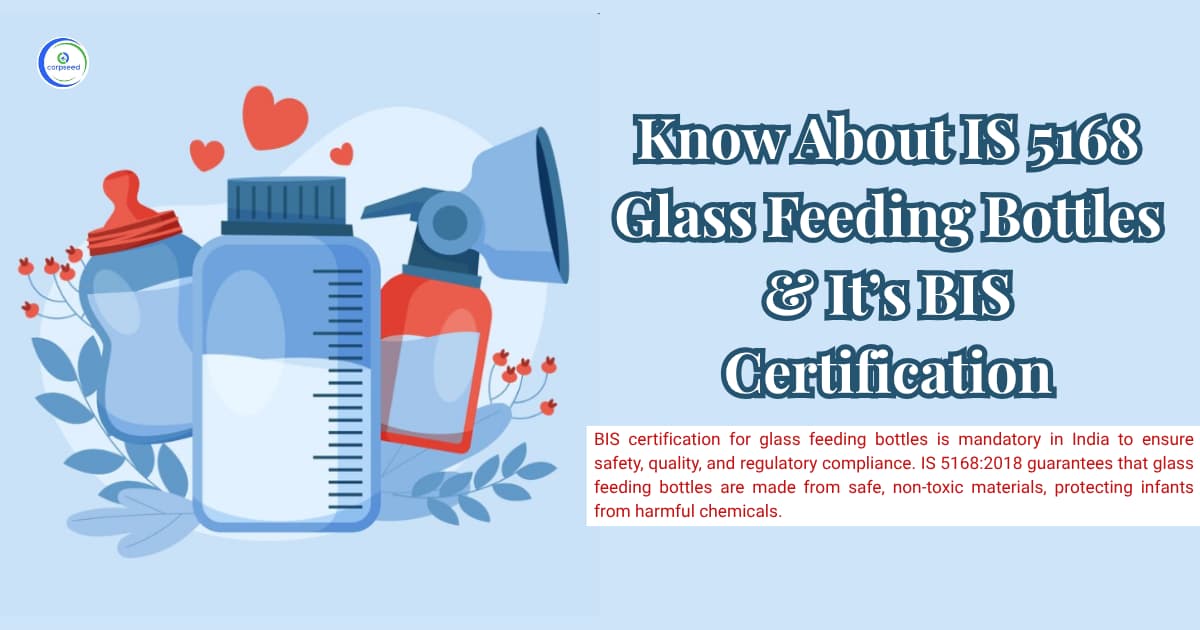
BIS certification for glass feeding bottles is mandatory in India to ensure safety, quality, and regulatory compliance.
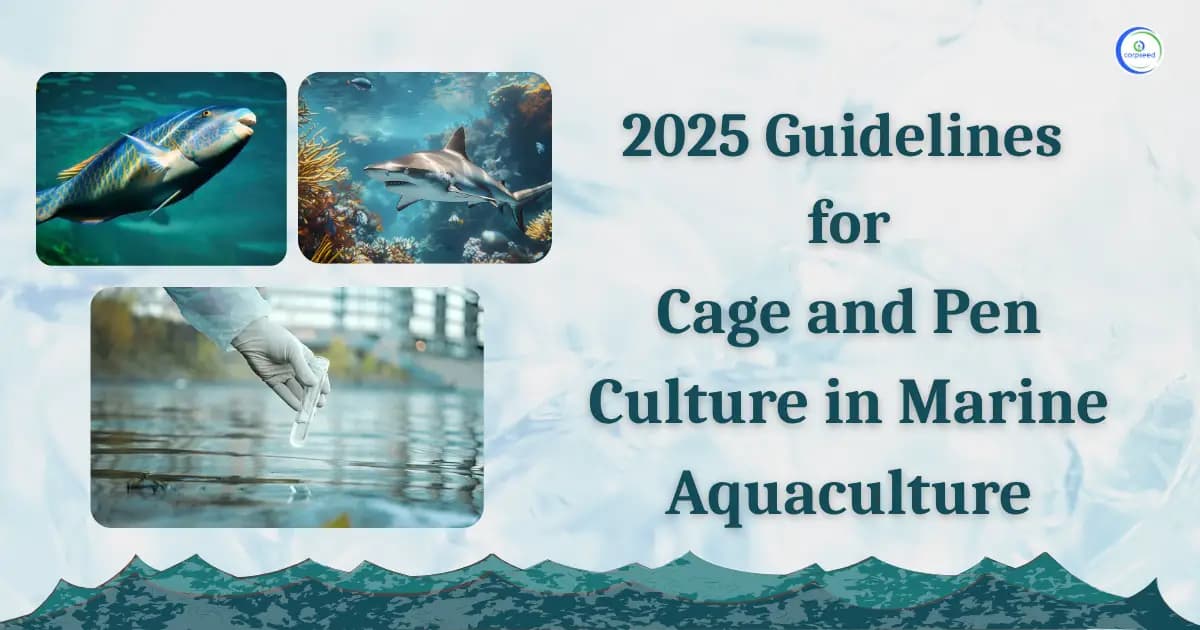
In 2025, the Ministry of Fisheries, Animal Husbandry and Dairy Production will issue new instructions for the regulation of cages and pen culture for marine and brackish water aquaculture sp…

India’s semiconductor sector is going through a major transformation, driven by record investment and robust support from the Government of India.
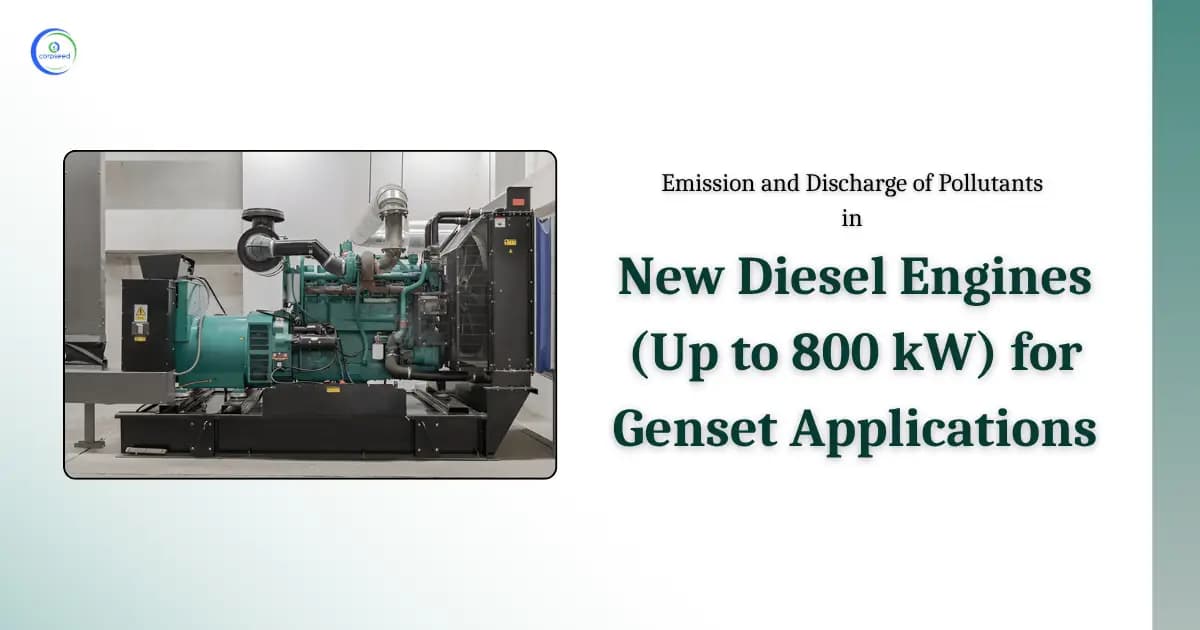
The regulation of emissions from diesel engines used in generator sets (Gensets) is an essential part of India’s efforts to mitigate the environmental impact of industrial activities.

With the signing of the India-UK Comprehensive Economic and Trade Agreement (CETA), both countries have paved the way for a future of economic prosperity.
_Corpseed.webp&w=1536&q=75)
The standards for emission or discharge of environmental pollutants for large pulp and paper plants with capacity exceeding 24000 MT per annum is crucial for maintaining environmental qualit…
.webp&w=1536&q=75)
The Ministry of Environment's notification outlines amendments to the Environment (Protection) Rules, 1986, including new pesticide industry effluent and emission standards.
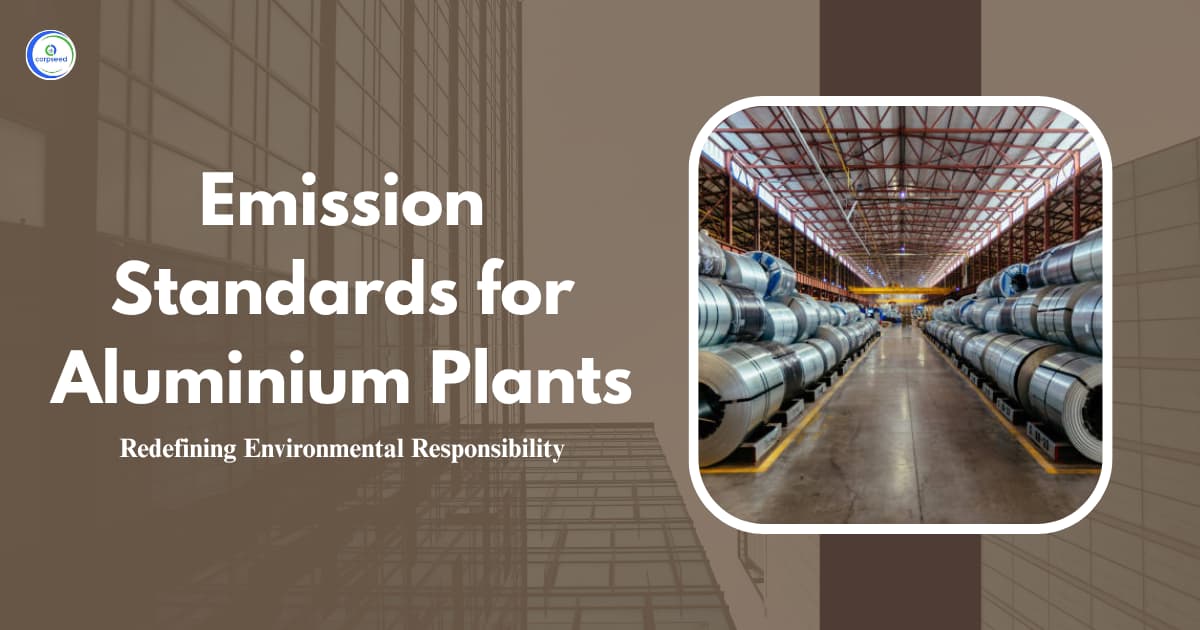
The Environment (Protection) Fifth Amendment Rules, 2025 impose stricter emission standards on improving environmental compliance and reducing the industry’s carbon footprint.
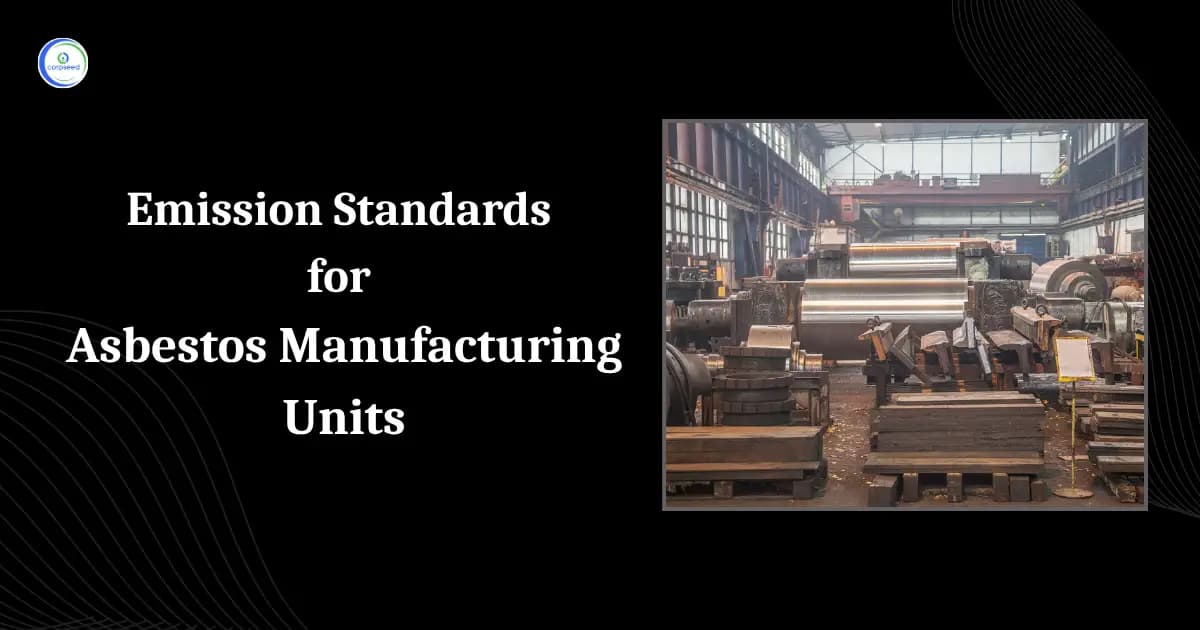
The standards for emission or discharge of Environmental pollutants for asbestos manufacturing units play an important role in controlling pollution and ensuring environmental protection.
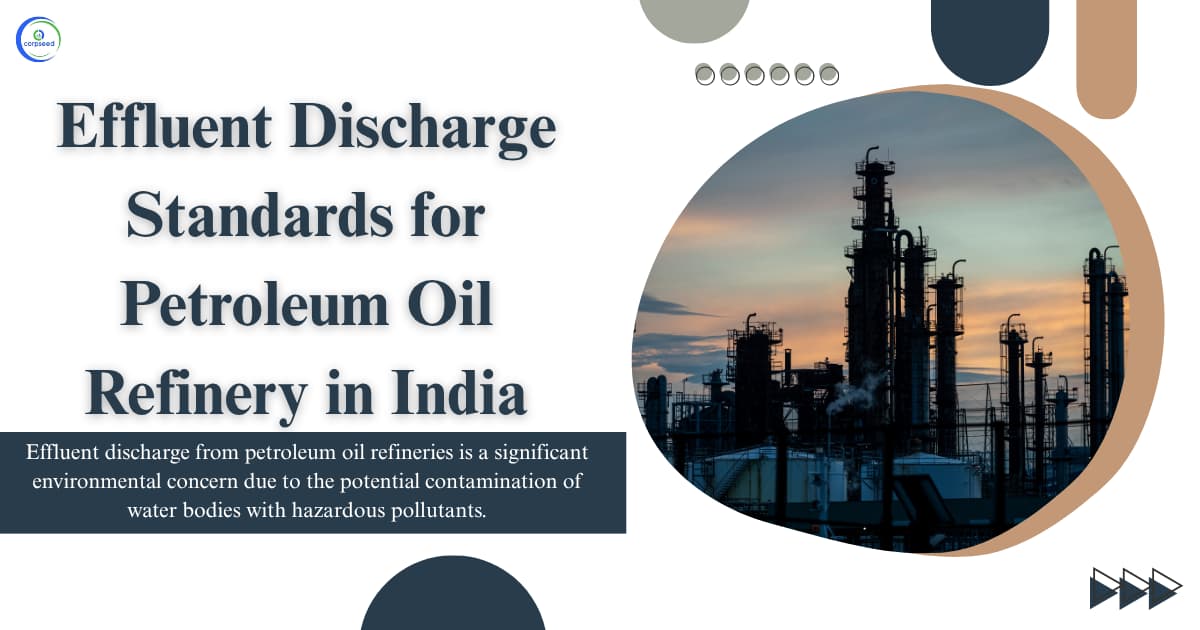
CPCB effluent standards for petroleum oil refineries regulate harmful pollutants like oil & grease, BOD, and heavy metals, ensuring treated wastewater discharge for environmental protection.
_Corpseed.webp&w=1536&q=75)
Sponge Iron Plants (Rotary Kiln) are an integral part of the steelmaking industry, making sponge iron through the reduction of iron ore.
The emission and discharge standards for small pulp and paper mills, including pollution control, environmental regulations, and wastewater treatment practices.