
Loading...

Loading...
Articles, guides and latest updates — clean UI, fast reading, and category-wise browsing.
The standards for emission or discharge of environmental pollutants for the soft cook industry are necessary to control the discharge of harmful elements into the environment.

The enforcement of effluent discharge standards India through the Environment Protection Rules 2016 represents a critical step toward sustainable growth in the slaughterhouse, meat processin…
The standards for emission or discharge of environmental pollutants for large pulp and paper industries are important to control pollution produced by one of the most resource-containing sec…
.webp&w=1536&q=75)
Behind Hard Coke Ovens are broadly used in industries to form coke by heating coal in the absence of air. However, this process produces numerous environmental pollutants.

The ceramic industry emission is an important concern in the context of environmental pollution. Since ceramic manufacturing includes high temperatures and different raw materials, it leads …
The Bureau of Indian Standards (BIS) has issued revised guidelines for the implementation of IS 18112:2022, which focuses on Digital Television Receivers for Satellite Broadcast Transmission…

The term “hackathon” is a combination of two words: “hack,” which refers to exploratory programming or creative problem-solving, and “marathon,” representing an extreme, timed endeavour.
BIS has issued official guidelines for certification under Scheme-X for products governed by the Omnibus Technical Regulation (OTR), streamlining safety and compliance procedures.
The standards for emissions or discharge of environmental pollutants for food and fruit processing industry are crucial to regulate pollution and safeguard our environment.
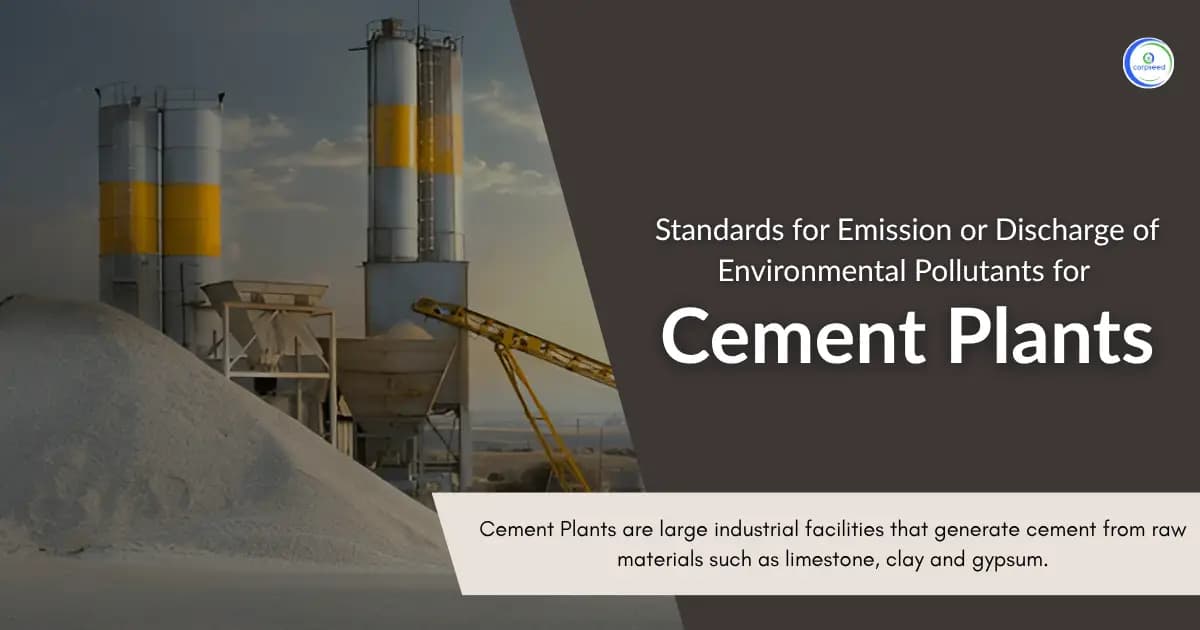
The cement industry plays an important role in the growth of global infrastructure. However, the environmental impacts of cement production are substantial, especially regarding pollutants r…
_Corpseed.webp&w=1536&q=75)
The coal briquette industry is an important part of the energy sector, which converts loose coal into compact, efficient fuel briquettes.
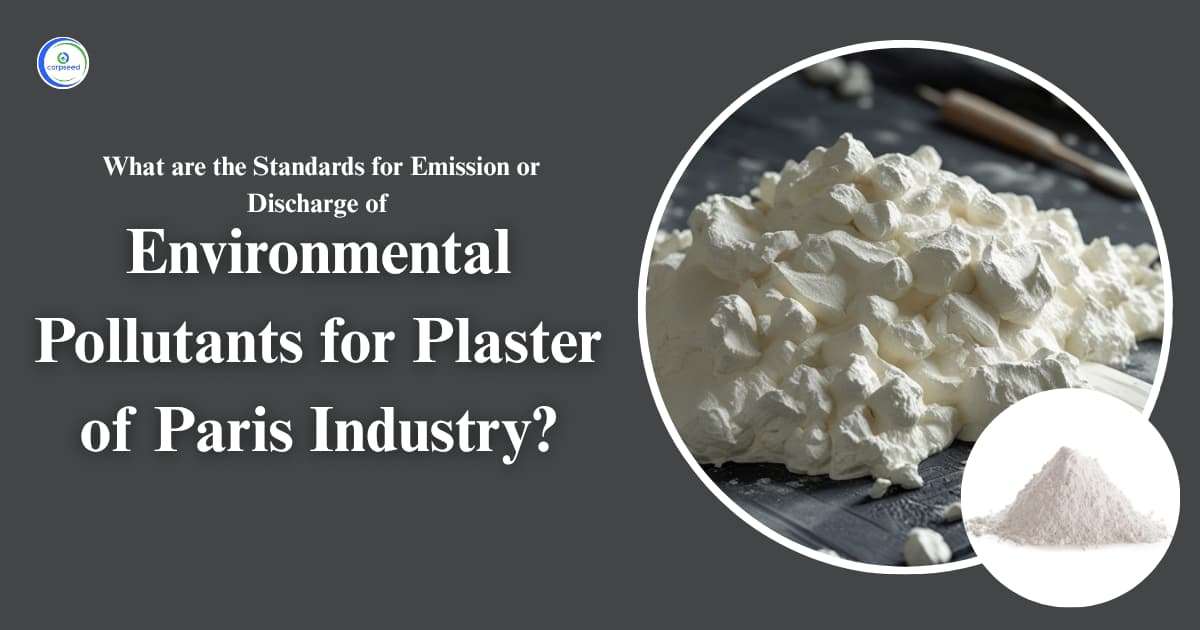
Plaster of Paris (POP) industry emission standards control pollutants like particulate matter and fugitive emissions, ensuring adherence to environmental protection regulations.
The standards for emission or discharge of environmental pollutants for synthetic rubber are necessary to reduce the environmental impact of this quickly growing industrial sector.
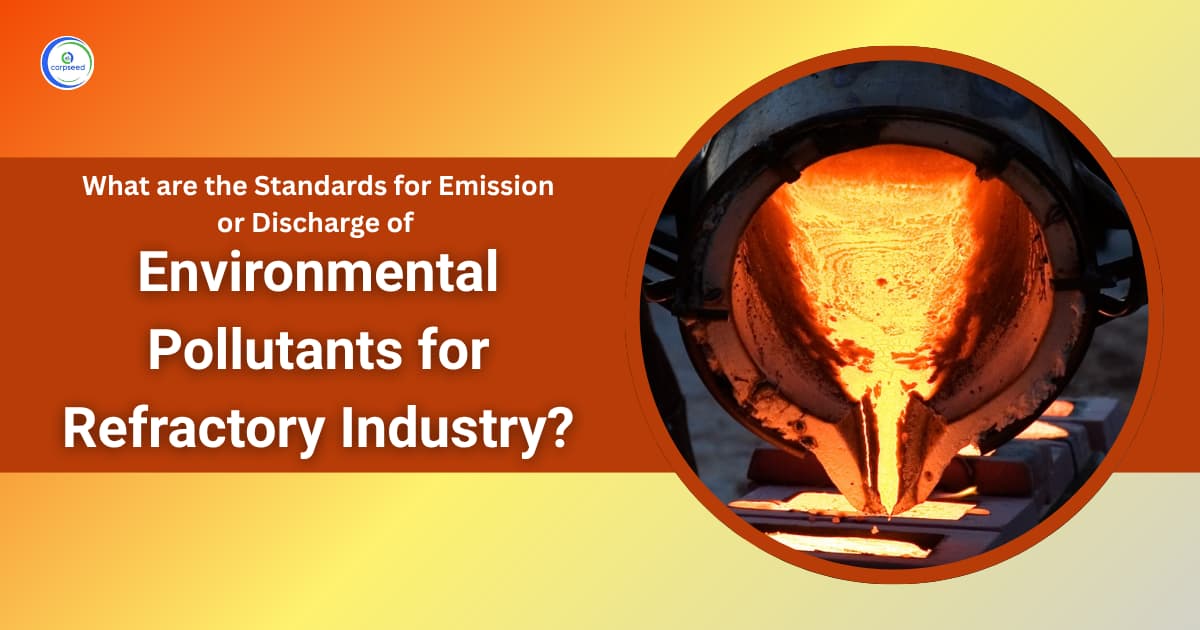
Emission standards for refractory industry and its effluent discharge limits regulate particulate matter, kiln emissions, stack height regulations, and refractory wastewater treatment.
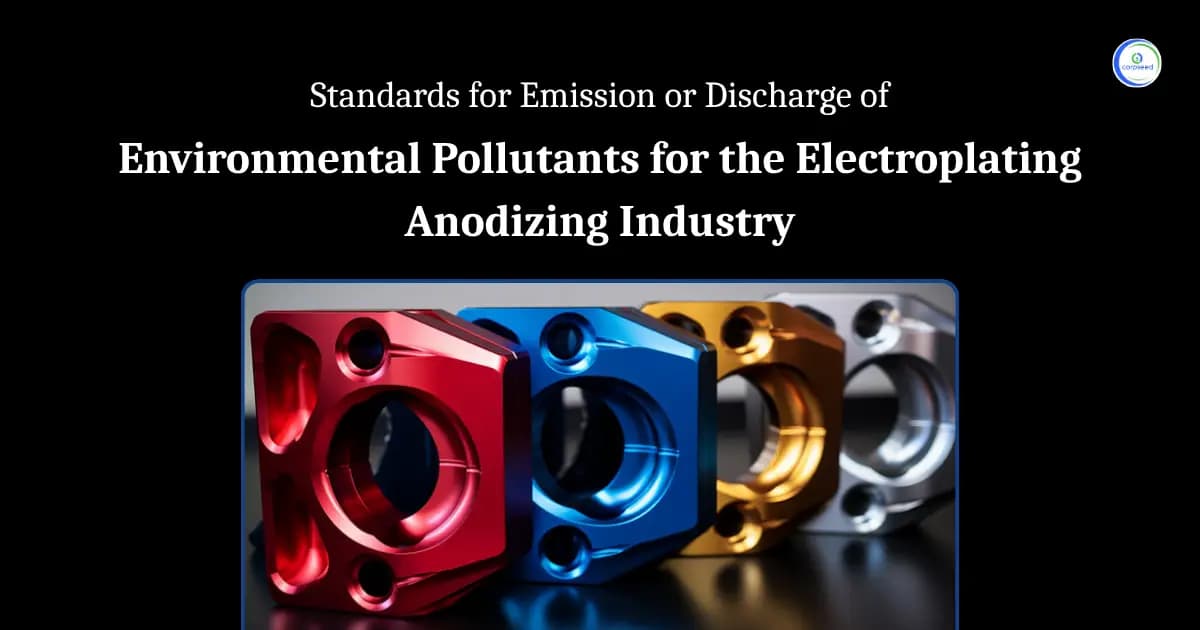
The electroplating and anodizing industries are important to boost the durability and aesthetic appeal of metals and alloys.
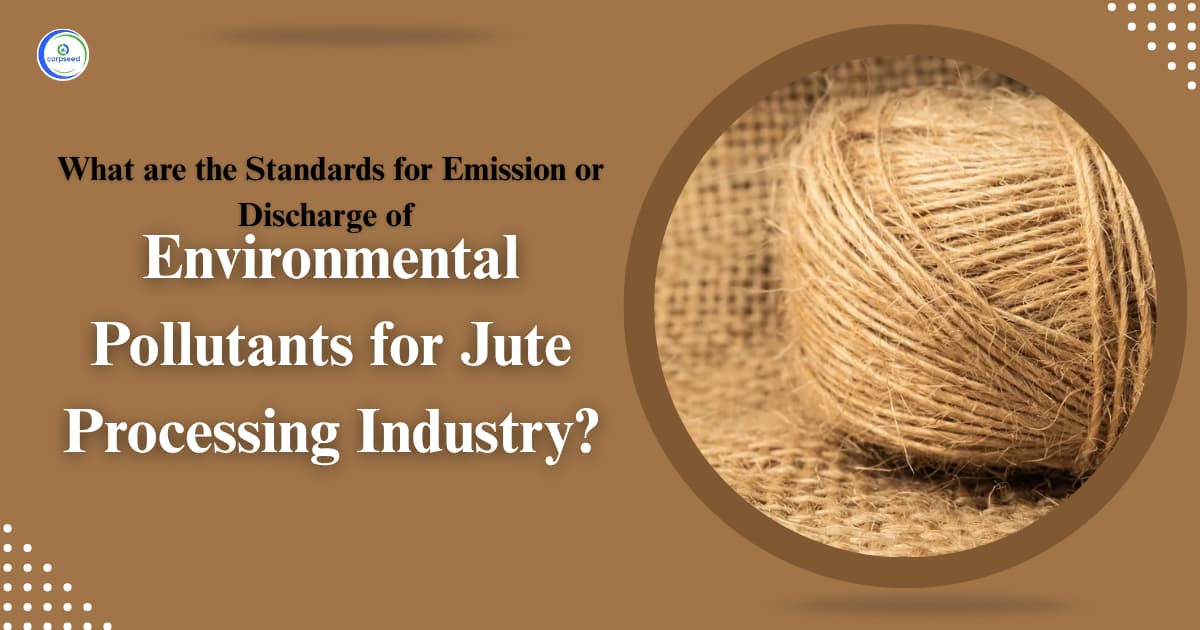
CPCB and SPCB enforce strict jute processing industry environmental standards for effluent discharge, BOD limits, suspended solids, and pollution control.
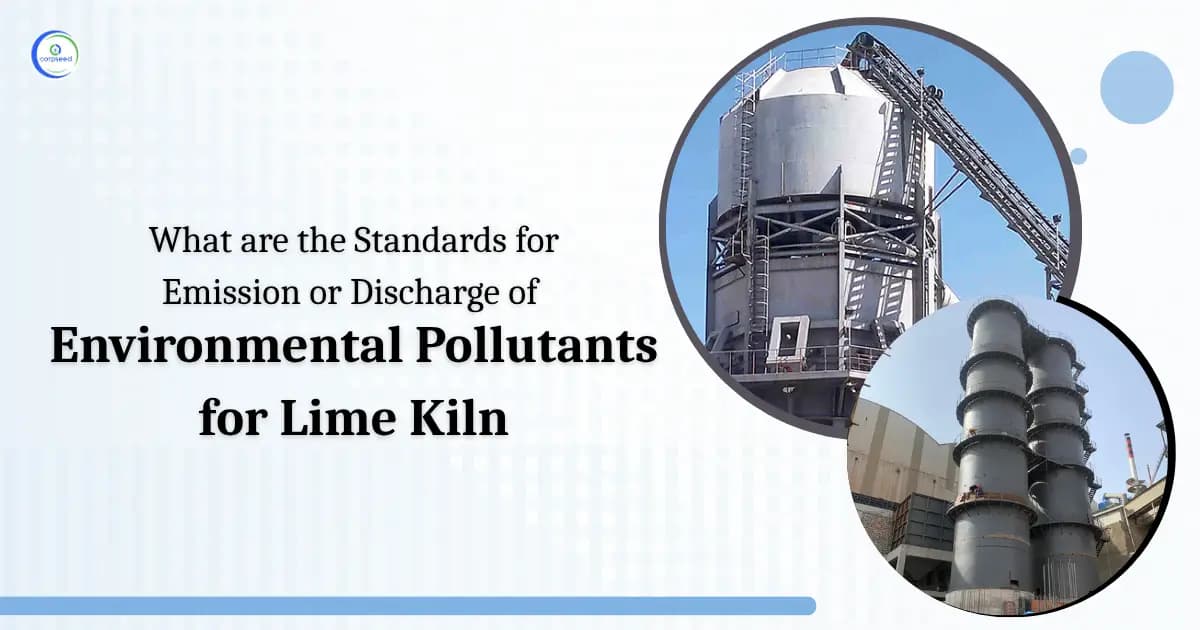
Environmental concerns have led to strict emission standards for industries, comprising lime kilns, which are recognized for emitting substantial amounts of pollution into the atmosphere.
India's Waste-to-Energy Programme transforms waste into clean energy, boosting renewable energy and waste management.
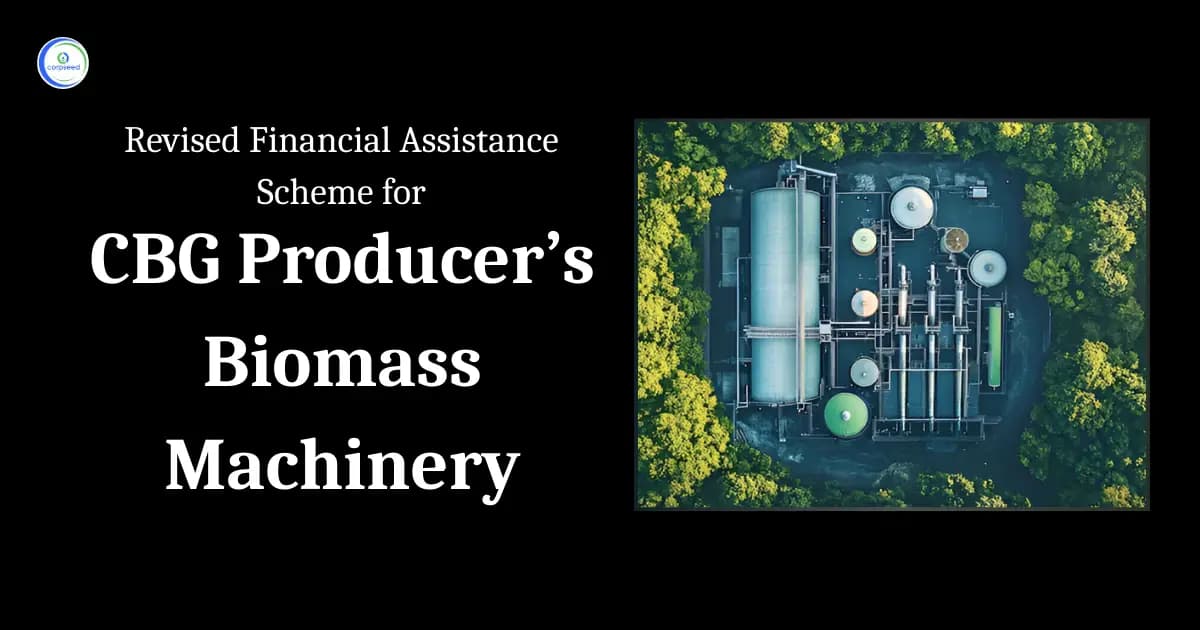
The Ministry of Petroleum and Natural Gas (MoPNG) has revised the guidelines of its financial incentive scheme designed to support Compressed Bio Gas (CBG) producers in procuring biomass agg…
NOx emissions in nitric acid production are regulated by CPCB and SPCB to control air pollution. Strict emission standards, environmental impact, and CEMS ensure compliance.