
Loading...

Loading...
Articles, guides and latest updates — clean UI, fast reading, and category-wise browsing.
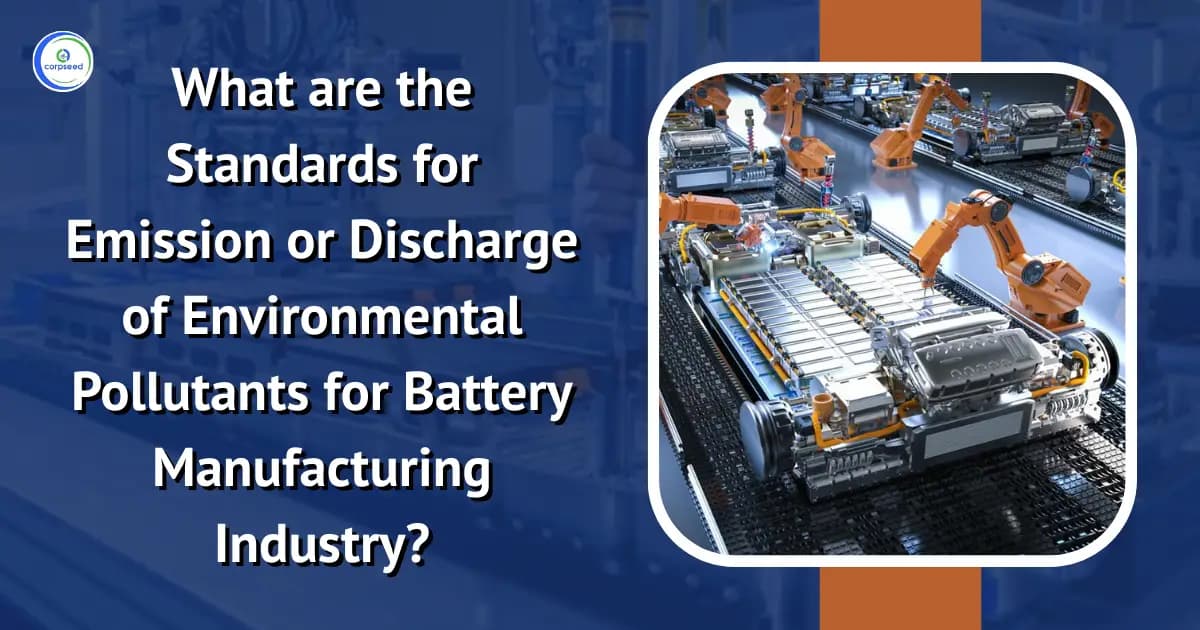
The battery manufacturing industry, which includes the production of lead-acid and dry cell batteries as well as lead recycling, releases harmful pollutants such as lead, mercury, manganese,…
.webp&w=1536&q=75)
Under the amended Environment Protection Rules, 1986, the glass industry now has to adhere to specific emission limits for SO₂ and NOₓ, depending on the type of fuel used in the furnace.
The Customs Trade Partnership against Terrorism (CTPAT) trade compliance program is a charitable government trade initiative led by U.S. Customs and Border Protection (CBP).
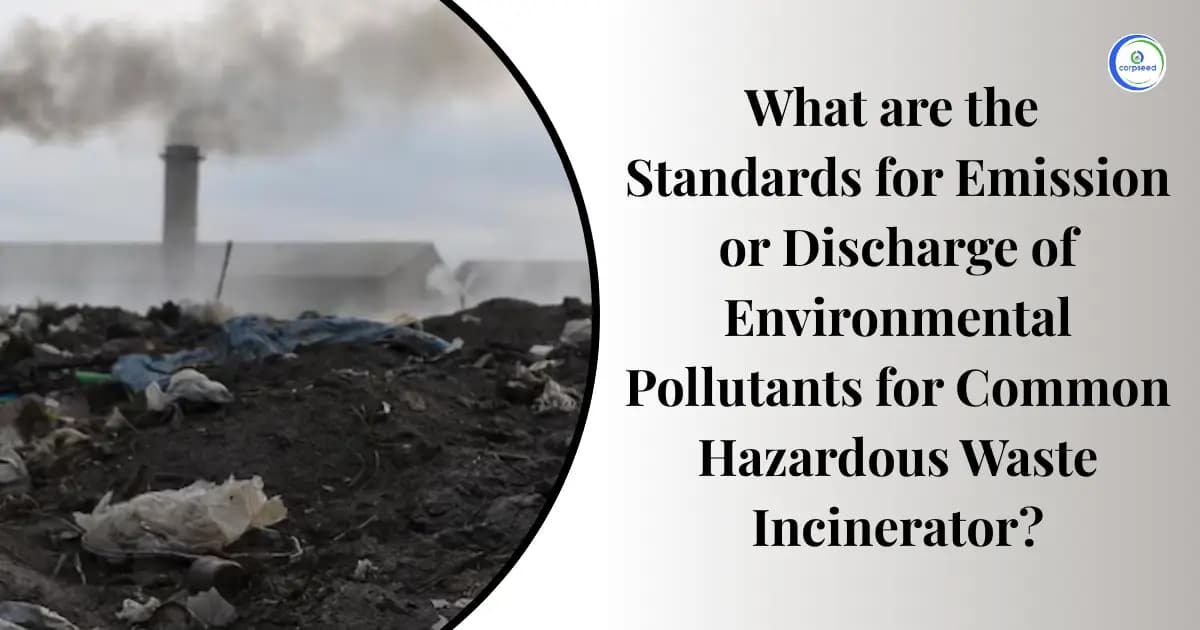
Hazardous waste incinerators dispose of toxic waste by burning it at high temperatures. However, this process can release harmful pollutants such as particulate matter, gases, and toxins int…
The Government of India enacted the Factory Act 1948, also commonly known as the Factory Law 1948, as a detailed piece of labour legislation.
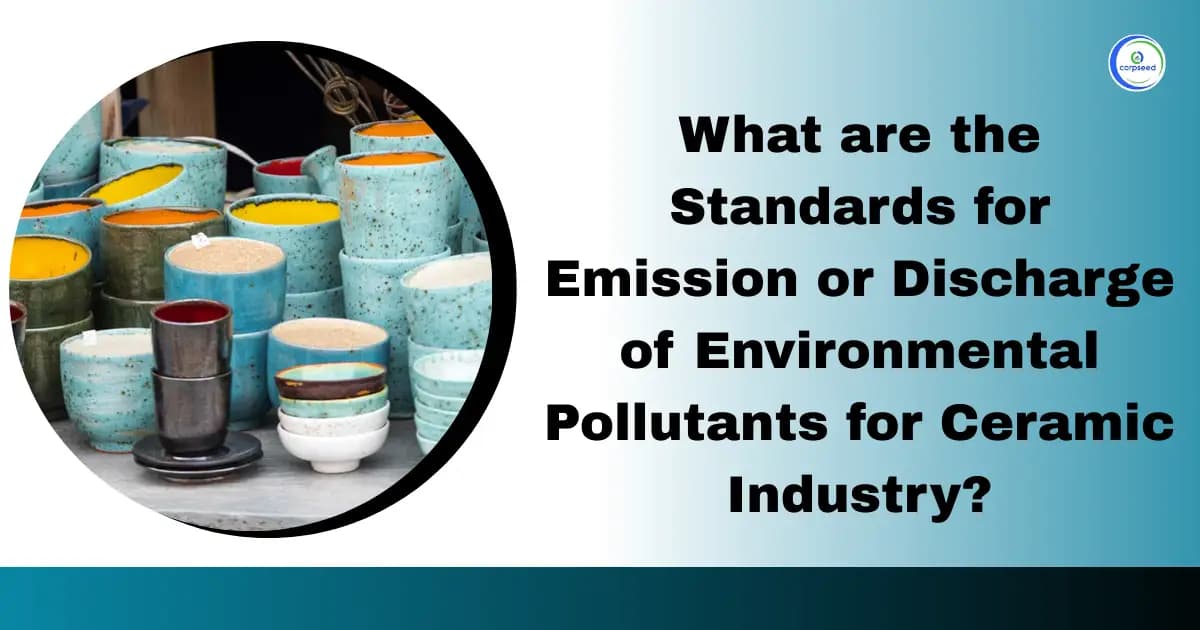
Every ceramic unit must comply with these limits to operate legally and safely. They must regularly check their pollution levels and take steps to reduce harmful waste. These actions help ke…
The edible oil and Vanaspati industry plays an essential role in India's food processing sector, providing to the dietary requirements of millions.
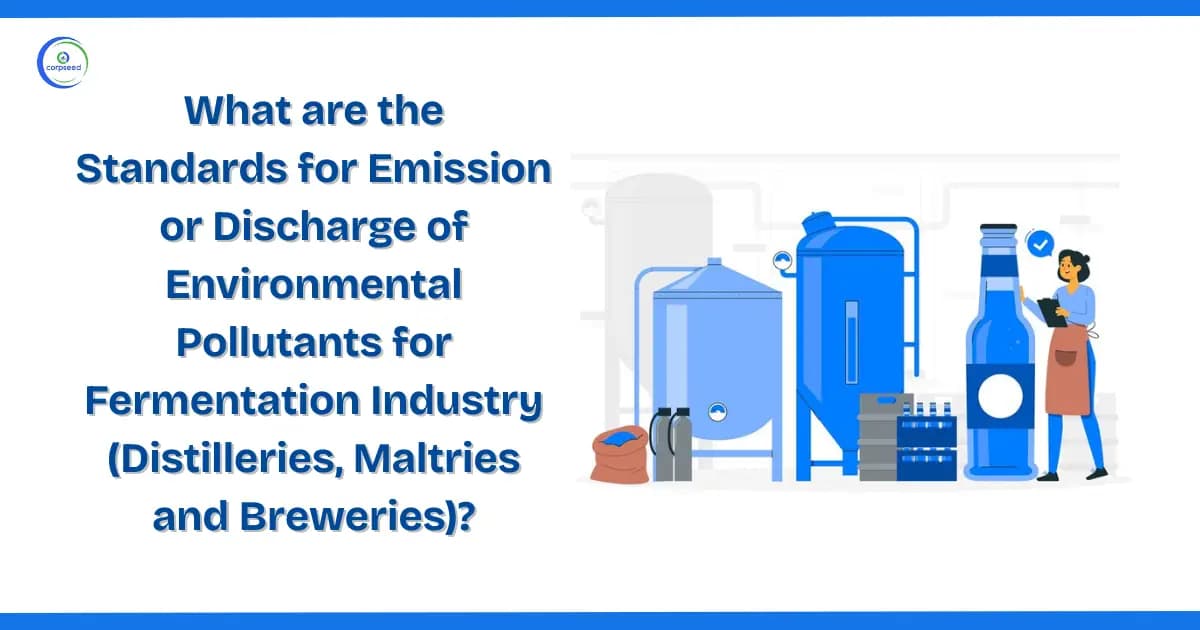
Distillery, distillery, and brewery effluents are known to contain high levels of organic pollutants and solids. Pollutants pose varying degrees of environmental risk, necessitating strict r…
One of the most significant regulations that manufacturers and importers should understand and follow is restrictions of Hazardous Substances (RoHS) Directive.
.webp&w=1536&q=75)
India is the world’s largest producer of cotton and with this distinction, it hosts a massive network of ginning mills facilities that convert raw cotton into lint for the textile industry.
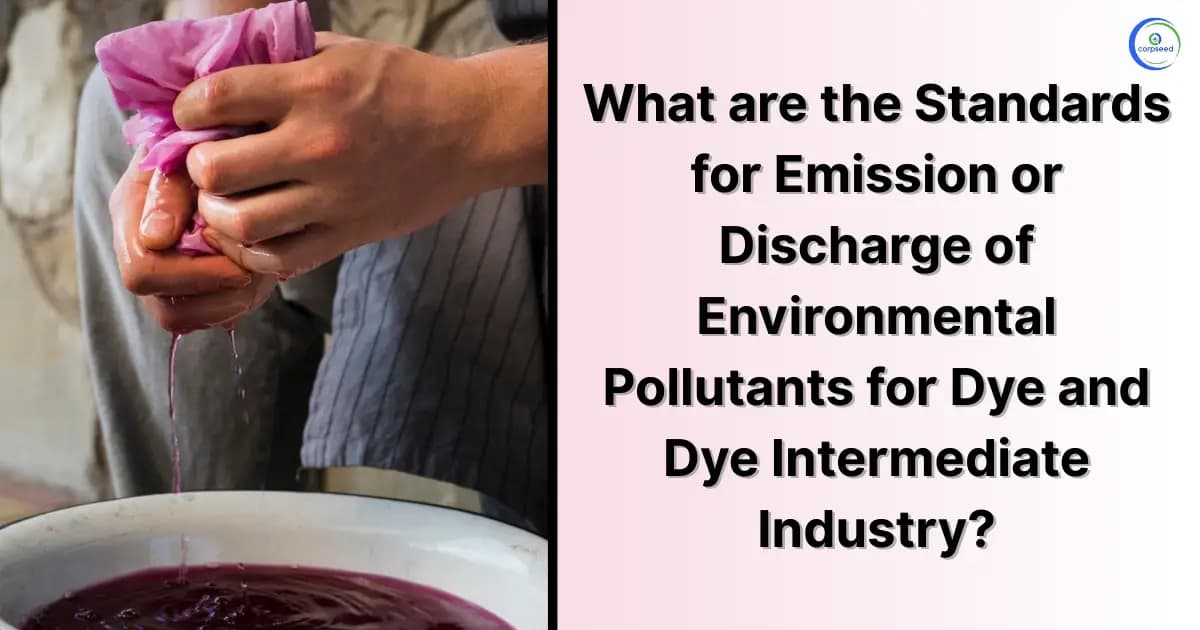
The dye and dye intermediate industry is a major part of the chemical sector. Dyes are used in textiles, leather, paper, food, cosmetics, and plastics. Dye intermediates are the raw material…
.webp&w=1536&q=75)
NABL Accredited laboratories are vital to the BEE registration process for numerous reasons, confirming that testing is truthful, credible, and fulfills international standards.
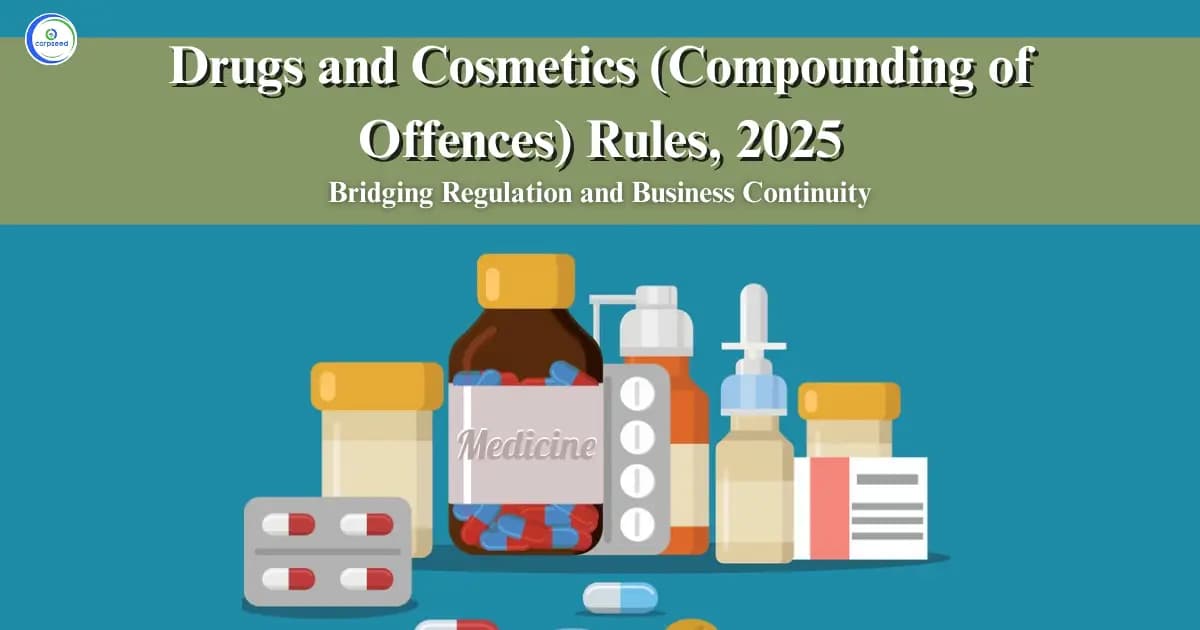
The Drugs and Cosmetics (Combination of Offences) Rules, 2025, the accused can apply to the Compounding Authority, offering a monetary penalty to resolve the issue. The authority reviews the…
.webp&w=1536&q=75)
A lithium-ion battery recycling plant is a specified facility designed to process used or unwanted lithium-ion batteries from a variety of sources comprising electric vehicles (EVs), consume…
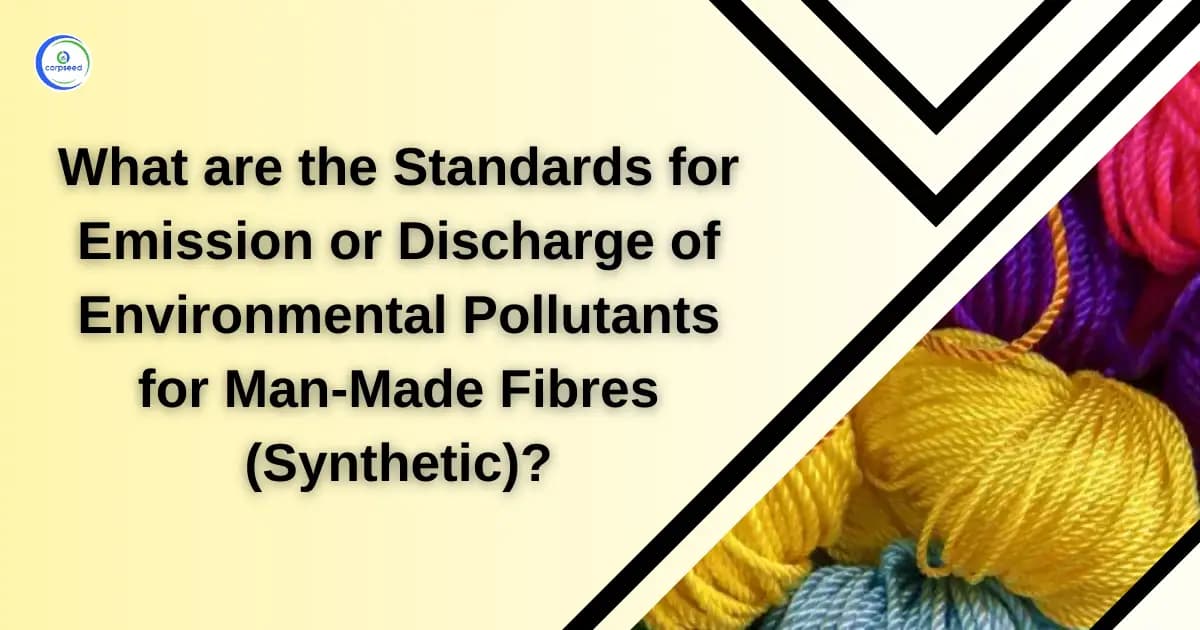
Emission standards focus on controlling the release of air pollutants, especially volatile organic compounds (VOCs) and other hazardous gases. The man-made fibre industry, especially acrylic…
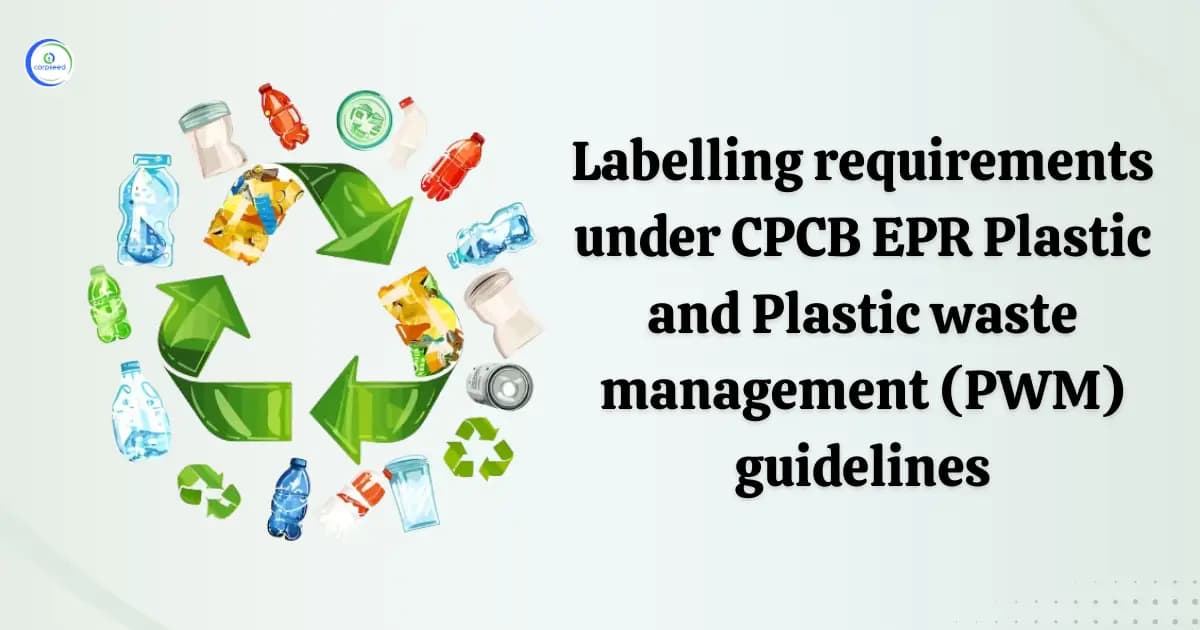
According to the Plastic Waste Management Rules, 2016, by July 1, 2025, plastic packaging must be clearly labelled with necessary details about its origin, material and recyclability.
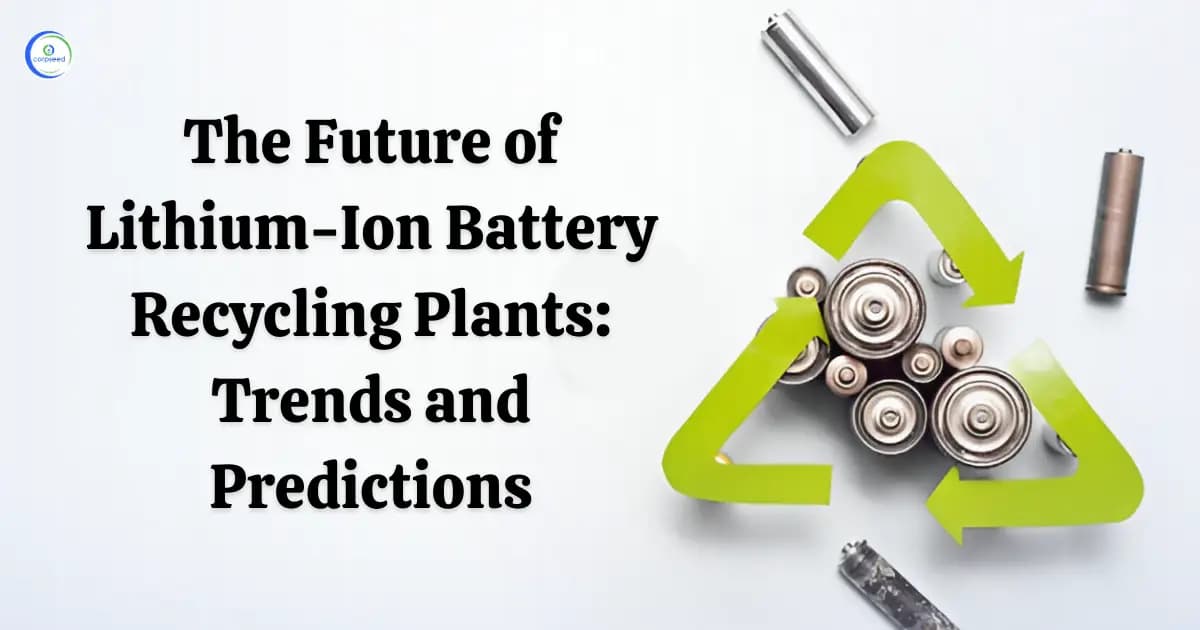
Lithium-ion batteries are an important part of modern life, but they present major challenges as they reach the end of their life cycle.
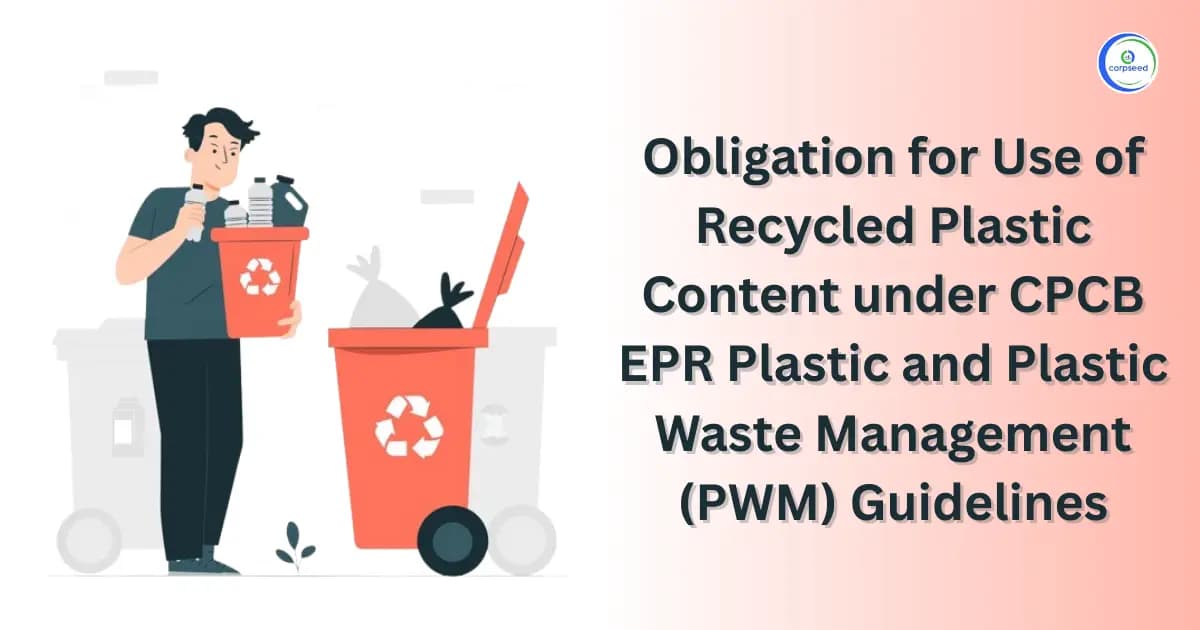
PIBOs should ensure that a certain percentage of the plastic used in their packaging is made from recycled materials. It aims to reduce reliance on virgin plastics and encourage the recyclin…
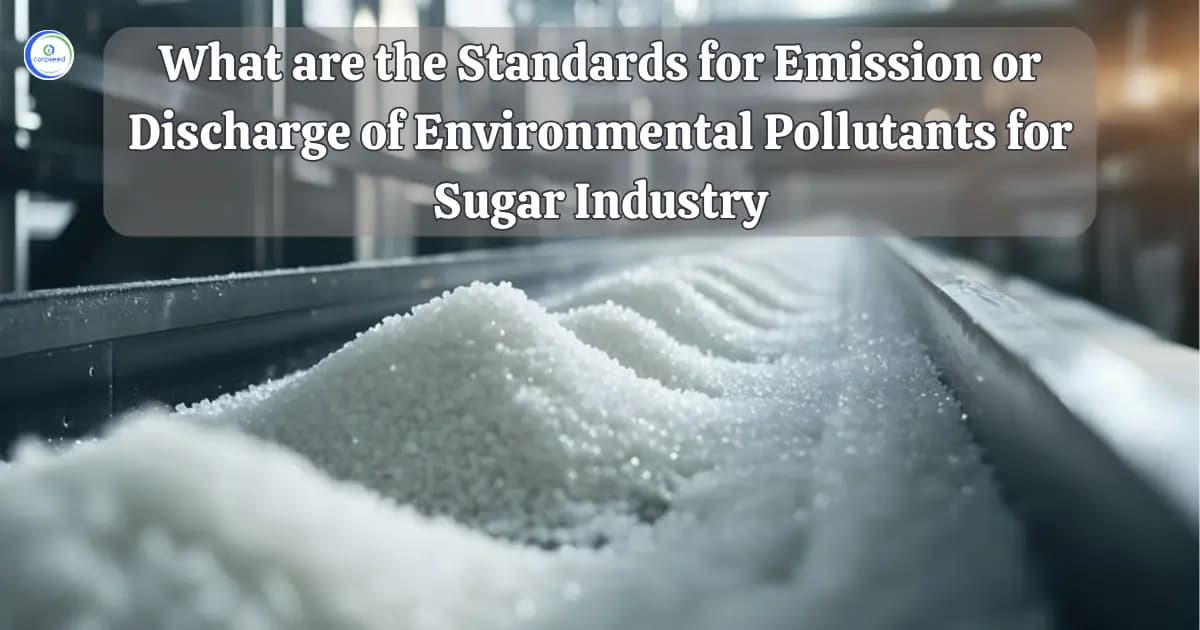
The sugar industry plays an important role in agro based industrial development and rural employment. However, it is also a key source of pollution, especially through effluent discharges an…
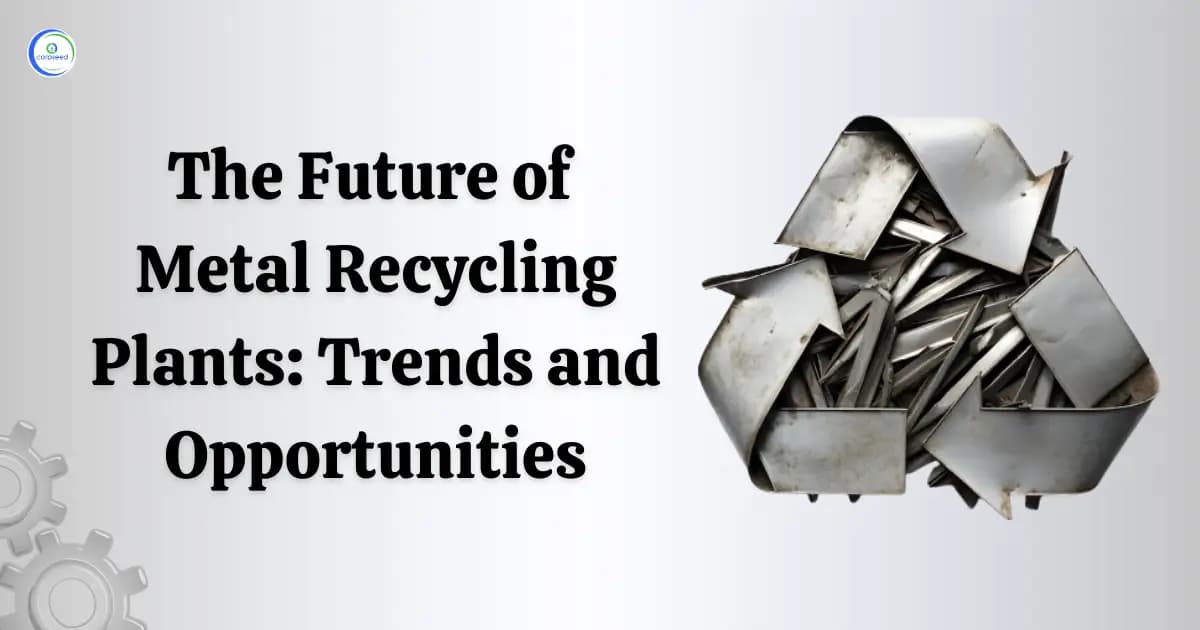
Metal recycling plants are industrial services that collect, process, and restore waste metals to the production cycle.